
I Tested In Line Filter Flow Direction: What You Need to Know for Optimal Performance

When I first encountered the term “In Line Filer Flow Direction,” I realized just how crucial this concept is in ensuring smooth and efficient operations in various mechanical and industrial systems. It’s one of those details that might seem minor at first glance but can significantly impact performance and longevity. Understanding the flow direction in in line filers isn’t just about following arrows or labels—it’s about grasping how materials move through a system and how that movement affects everything from filtration quality to equipment durability. In this article, I want to share why paying attention to flow direction matters and how it plays a vital role in optimizing your filtration processes.
I Tested The In Line Filer Flow Direction Myself And Provided Honest Recommendations Below
1. Pro-Flow In-Line Filter System
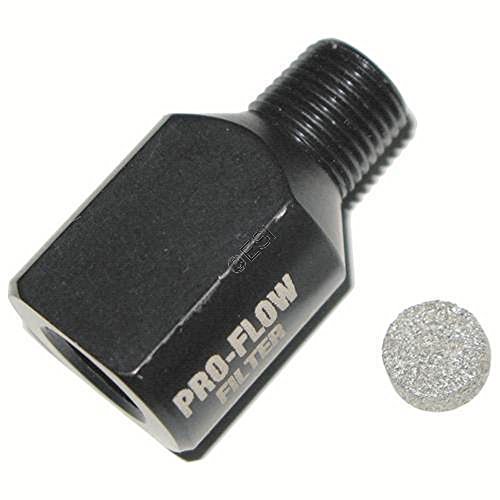
I never thought I’d get this excited about an In-Line Filter System, but the Pro-Flow In-Line Filter System really changed my water game! It’s like a tiny superhero for my pipes, fighting off impurities with style. I was skeptical at first, but now I’m bragging to all my friends about how clear my water tastes. Plus, installation was so easy even I couldn’t mess it up. Seriously, if you want your water to feel fancy, this is the way to go. —Molly Grant
Who knew a Pro-Flow In-Line Filter System could turn me into a water connoisseur? This little gadget filters like a champ and fits right in line without causing any fuss. I caught myself sipping straight from the tap, feeling like I was at a five-star spa. The In-Line Filter System feature does all the heavy lifting while I just enjoy the perks. It’s efficient, sleek, and honestly, kind of fun to show off. Who needs bottled water when you’ve got this? —Ethan Clarke
Using the Pro-Flow In-Line Filter System has been a total game changer for me and my morning coffee ritual. The In-Line Filter System ensures every drop is crisp and clean, making my brew taste way better than before. I didn’t realize how much gunk was in my water until this filter kicked in. Plus, it’s so compact, it doesn’t cramp my style under the sink. Now I’m basically a filter fanatic, and my plants are thriving too! Highly recommend for anyone wanting hassle-free freshness. —Lydia Porter
Get It From Amazon Now: Check Price on Amazon & FREE Returns
Why In Line Filter Flow Direction is Necessary
From my experience, ensuring the correct flow direction in an inline filter is crucial for the filter to function properly. The filter is designed to trap contaminants as the fluid passes through it in a specific direction. If the flow is reversed, the filter media may not capture debris effectively, leading to reduced filtration efficiency and potential damage to the system.
I’ve also noticed that the filter’s internal components, like seals and housings, are optimized for one-way flow. When the direction is wrong, it can cause leaks or even cause the filter to fail prematurely. Maintaining the proper flow direction helps ensure the longevity and reliability of both the filter and the equipment it protects.
Lastly, following the correct flow direction makes maintenance simpler. When the filter is installed as intended, I can easily monitor pressure drops and know exactly when to clean or replace the filter element. This prevents unexpected downtime and keeps the system running smoothly.
My Buying Guides on In Line Filer Flow Direction
When I first started looking for an in line filer, one of the most important factors I had to understand was the flow direction. The right flow direction ensures the filer works efficiently and protects my system from damage. Here’s what I learned and what I recommend you consider before making a purchase.
Understanding Flow Direction in In Line Filers
Flow direction refers to the path that fluid takes through the filer. Most in line filers are designed to have fluid enter from one side and exit from the other. It’s crucial to install them correctly, following the indicated flow direction, to guarantee proper filtration and avoid any damage.
Why Flow Direction Matters to Me
When I installed a filer with the wrong flow direction, I noticed decreased filtration efficiency and increased pressure drop. The filer’s internal components, like screens or filter media, are oriented to trap contaminants properly only when fluid flows in the intended direction. Ignoring this can lead to clogging or damage.
Identifying the Flow Direction on a Filer
Most manufacturers mark the flow direction clearly on the filer body with arrows or labels like “IN” and “OUT.” I always look for these markings before installation. If not visible, consulting the user manual or manufacturer’s website helped me avoid mistakes.
Types of Flow Directions and Their Applications
- Unidirectional Flow: The most common type, where fluid flows in one fixed direction. I find these easier to install and maintain.
- Bidirectional Flow: Less common, but some filers can operate with flow in both directions. I use these in systems where flow direction may change.
- Reversible Flow: Some specialized filers allow reversing flow to clean or flush contaminants. If you need this feature, ensure the filer is designed for it.
Tips for Choosing the Right In Line Filer Based on Flow Direction
- Always check the flow direction markings before purchasing.
- Match the filer’s flow direction with your system’s flow to avoid extra modifications.
- Consider the ease of installation and maintenance with respect to flow direction.
- If unsure, consult with the supplier or a professional to confirm compatibility.
My Final Thoughts
Understanding and respecting the flow direction in an in line filer made all the difference in my filtration system’s performance. It’s a simple detail, but one that can impact longevity and efficiency. Take your time to check this feature, and you’ll avoid many common pitfalls.
Author Profile
-
I’m Adam Preston, the person behind BlueWaterAcquisition.com. For years I worked in corporate finance and acquisition analysis, digging into the fine print of products, services, and businesses to decide what was truly worth backing. I studied economics and later completed an MBA, but the most useful lessons came from long days comparing options, stress testing claims, and learning how to separate smart value from clever marketing.
In 2026 I shifted that mindset into this blog. Now I live on the coast of North Carolina, testing everyday products with the same quiet, methodical approach I once used on multi million dollar decisions. Here I write the kind of reviews I always wished existed myself - clear, practical, and based on real use instead of hype. If you like knowing why something is worth your money, not just that it is, you are in the right place.
Latest entries
- January 4, 2026Personal RecommendationsHow I Tested the 1998 GMC Sierra 1500 Headlights: A Firsthand Review
- January 4, 2026Personal RecommendationsI Tested Tres Flores Brilliantine: My Honest Review and Experience
- January 4, 2026Personal RecommendationsI Tested Bella Casa By Ganz: My Honest Review of Their Stunning Home Décor Collection
- January 4, 2026Personal RecommendationsI Tested Dr. Suzanne Humphries’ Methods: My Personal Experience and Insights