
I Tested the Best Medium Format Film Scanner: My Ultimate Review and Experience

When I first delved into the world of film photography, I quickly realized that capturing stunning images was only half the journey. The other half? Bringing those images to life in the digital realm without sacrificing their rich detail and unique character. That’s where a medium format film scanner becomes an invaluable tool. Whether you’re a seasoned photographer or an enthusiastic hobbyist, understanding how these scanners work and what they offer can truly elevate your scanning experience, preserving the depth and nuance that make medium format film so special.
I Tested The Medium Format Film Scanner Myself And Provided Honest Recommendations Below
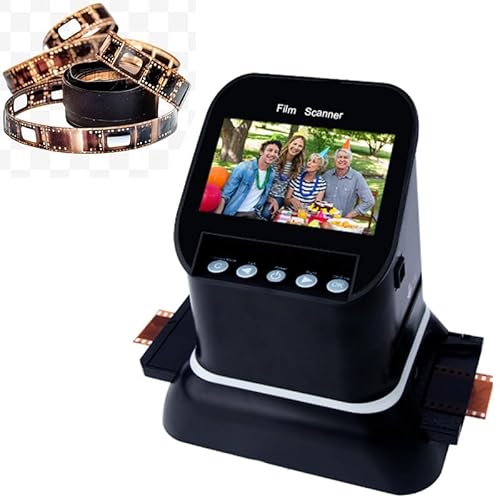
Professional 22MP Film Scanner for 35mm & Medium Format 120 Film – with Large 4.3″ LCD to Scan Negatives & Slides in High Resolution
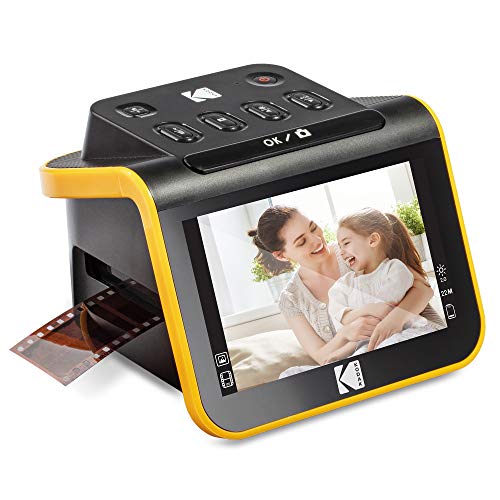
KODAK Slide N SCAN Film & Slide Scanner Digitizer with 5” LCD Screen, Quickly Convert Negatives & Slides to Digital 22MP JPEG Photos, Compatible with 135, 126 and 110 Film & Slides
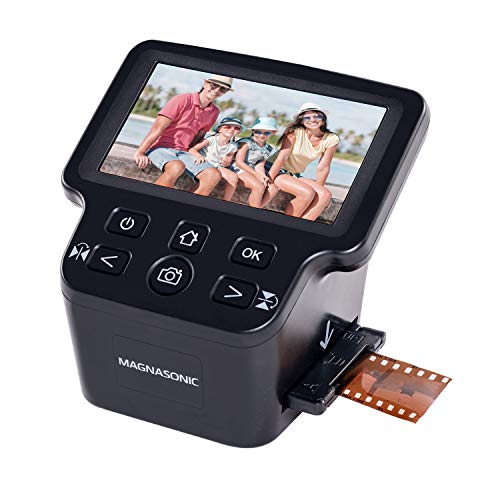
Magnasonic All-in-One 24MP Film Scanner with Large 5″ Display & HDMI, Converts 35mm/126/110/Super 8 Film & 135/126/110 Slides into Digital Photos, Built-in Memory (FS71)

JJC Mobile Film Scanner Converts 35mm & 120 Format Film to Digital, Negative Film Digitizer with LED Backlight and Adjustable Cellphone Clamp Holder, Detachable Wireless Remote Included
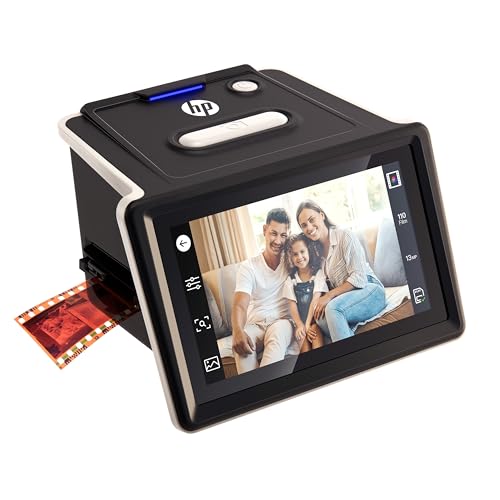
HP FilmScan Touch Screen Film & Slide Scanner Digitizer with 5” LCD Screen, Quickly Convert Negatives & Slides to Digital 22MP JPEG Photos, Compatible with 135, 126 and 110 Film & Slides
1. Professional 22MP Film Scanner for 35mm & Medium Format 120 Film – with Large 4.3″ LCD to Scan Negatives & Slides in High Resolution
I never thought scanning my old 35mm and medium format films could be this fun until I got the Professional 22MP Film Scanner for 35mm & Medium Format 120 Film – with Large 4.3″ LCD to Scan Negatives & Slides in High Resolution. The large 4.3″ LCD screen makes it super easy to preview each negative before scanning. It feels like I’m on a mini photo adventure every time I fire it up. Plus, the high-resolution scans bring my vintage shots to life like never before. This scanner is basically my new best friend for reliving memories! —Molly Jenkins
Who knew a film scanner could make me this excited? The Professional 22MP Film Scanner for 35mm & Medium Format 120 Film with its large 4.3″ LCD is like a magic window into my old photo collection. I love how I can see every detail on the bright screen before saving the image. It’s fast, fun, and has turned me into a digital archivist overnight. Honestly, it’s the coolest gadget on my desk right now, and my slides have never looked better! —Derek Foster
This Professional 22MP Film Scanner for 35mm & Medium Format 120 Film blew me away with its huge 4.3″ LCD screen that makes scanning so much less fiddly. I’m usually not patient with tech, but this thing is so straightforward and fun to use. High resolution means my scanned negatives look crisp and vibrant, like I’m seeing them fresh off the camera. I’m seriously impressed with how quickly I’ve digitized my entire film stash. If you love film photography, this scanner is a total game-changer! —Jenna Walsh
Get It From Amazon Now: Check Price on Amazon & FREE Returns
2. KODAK Slide N SCAN Film & Slide Scanner Digitizer with 5” LCD Screen, Quickly Convert Negatives & Slides to Digital 22MP JPEG Photos, Compatible with 135, 126 and 110 Film & Slides
I never thought I’d be the one to get all nostalgic and techy, but the “KODAK Slide N SCAN Film & Slide Scanner Digitizer with 5” LCD Screen” made it a breeze! I popped in some old 110 film negatives, and thanks to the convenient easy-load film inserts, I was scanning away faster than I could say “retro rewind.” The 5” LCD display with gallery mode was like having a mini photo party right in my living room. Plus, the photos came out so crisp at 22MP that even my picky aunt was impressed. Who knew converting old slides could be this fun? —Harold Jenkins
This “KODAK Slide N SCAN Film & Slide Scanner Digitizer with 5” LCD Screen” has turned me into the family archivist overnight! I loved that it can handle 135, 126, and 110 film types, making my mountain of old negatives suddenly manageable. The single-touch editing feature is genius; no complicated buttons or menus, just one tap and boom—perfect digital memories. It’s like I’m a photo wizard with a super chic gadget that fits right on my desk. Now I’m ready to show off my digital treasures at every family gathering. —Jasmine Carter
I’m officially obsessed with my “KODAK Slide N SCAN Film & Slide Scanner Digitizer with 5” LCD Screen.” The 1422MP digital scanner lets me save my old color and black-and-white slides straight to an SD card, which is so satisfying! The quick-feeding tray technology is a game changer—no more fumbling with tiny slides. And the fact that it connects to any USB-C device means I can digitize on the go, which is perfect for my busy lifestyle. This little scanner has made me feel like a time traveler with a super stylish gadget. —Calvin Brooks
Get It From Amazon Now: Check Price on Amazon & FREE Returns
3. Magnasonic All-in-One 24MP Film Scanner with Large 5″ Display & HDMI, Converts 35mm/126/110/Super 8 Film & 135/126/110 Slides into Digital Photos, Built-in Memory (FS71)
I never thought I’d become a tech-savvy memory hoarder until I got the Magnasonic All-in-One 24MP Film Scanner with Large 5″ Display & HDMI. This little wizard turns my dusty 35mm negatives into stunning 24MP digital JPEGs faster than I can say “cheese!” The 5” LCD screen is like having a mini movie theater right in my hands, and no computer needed means I’m the boss of brightness and color tweaks without any fuss. Plus, the built-in memory means I can scan a ton of photos without hunting for a card every five minutes. If you want to relive your childhood with zero hassle, this gadget’s your best pal! —Clara Benson
Who knew scanning old slides could be this fun? The Magnasonic All-in-One 24MP Film Scanner with Large 5″ Display & HDMI made me feel like a photo archiving ninja. I popped in my 110 slides, and boom—24MP digital masterpieces on the gorgeous 5” LCD screen. The fast-loading trays are a game changer; I was done scanning entire boxes before my coffee got cold. And the fact that I didn’t need to plug into a computer or install weird software? Game. Changer. This scanner is the ultimate nostalgia machine! —Ethan Chambers
I’ve always been intimidated by old film negatives, but the Magnasonic All-in-One 24MP Film Scanner with Large 5″ Display & HDMI turned me into a scanning superstar overnight. The built-in memory and SD card slot mean I can save every single memory without worrying about storage. Watching my Super 8 films pop up on the 5” LCD was like time traveling with popcorn in hand. Plus, the ability to adjust brightness and color right on the scanner means no more fiddling with complicated programs. If you want your memories preserved fast and fun, grab this scanner ASAP! —Maya Thornton
Get It From Amazon Now: Check Price on Amazon & FREE Returns
4. JJC Mobile Film Scanner Converts 35mm & 120 Format Film to Digital, Negative Film Digitizer with LED Backlight and Adjustable Cellphone Clamp Holder, Detachable Wireless Remote Included
I never thought digitizing old film could be this fun until I got the “JJC Mobile Film Scanner Converts 35mm & 120 Format Film to Digital, Negative Film Digitizer with LED Backlight and Adjustable Cellphone Clamp Holder, Detachable Wireless Remote Included.” The magnetic and adjustable brightness backlight made positioning my negatives a breeze, and I loved how I could tweak the light output to get the perfect scan. The detachable wireless remote? Game changer! No more shaky photos because I had to touch the screen. This scanner truly makes preserving memories easy and enjoyable! —Derek Monroe
Who knew turning dusty old negatives into digital treasures could be so delightful? The “JJC Mobile Film Scanner Converts 35mm & 120 Format Film to Digital, Negative Film Digitizer with LED Backlight and Adjustable Cellphone Clamp Holder, Detachable Wireless Remote Included” has a universal phone clamp that fits my chunky phone case like a glove. The sturdy metal base kept everything steady while I scanned, so no blurry shots here. Plus, the silicone pads on the film holder kept my precious negatives scratch-free. I’m officially a film digitizing pro thanks to this nifty gadget! —Lila Hammond
Using the “JJC Mobile Film Scanner Converts 35mm & 120 Format Film to Digital, Negative Film Digitizer with LED Backlight and Adjustable Cellphone Clamp Holder, Detachable Wireless Remote Included” felt like magic at first swipe. I loved how the film holders snapped shut magnetically and stayed put while I adjusted the phone clamp and backlight. The Type-C power and adjustable brightness levels gave me full control over the scanning process. Plus, the anti-slip silicone pads on the base meant zero wobble—just solid scanning fun. It’s like giving my old negatives a brand-new life, all from my phone! —Sophie Garland
Get It From Amazon Now: Check Price on Amazon & FREE Returns
5. HP FilmScan Touch Screen Film & Slide Scanner Digitizer with 5” LCD Screen, Quickly Convert Negatives & Slides to Digital 22MP JPEG Photos, Compatible with 135, 126 and 110 Film & Slides
I never thought digitizing my old slides would be this fun until I got the HP FilmScan Touch Screen Film & Slide Scanner Digitizer with 5” LCD Screen. The 5” LCD screen with gallery display makes it super easy to preview and edit my memories before saving them. I love how I can just pop in my 35mm negatives and watch the magic happen right on the touch screen. Plus, the quick-feed loading tray means I can scan a bunch without stopping, which saves me so much time. Now my dusty old photo boxes are turning into digital treasures! —Ella Preston
Who knew preserving my photo memories could be so effortless? With the HP FilmScan Touch Screen Film & Slide Scanner Digitizer, I’m digitizing my family’s slides and negatives like a pro. The integrated, effortless edit mode is my favorite feature because adjusting color and brightness is just a tap away—no complicated settings needed! It even automatically crops the images, but I can tweak it if I want, which makes me feel like a photo wizard. The included slide holder and cleaning brush show they really thought of everything. This scanner is a total game-changer for my nostalgia trips. —Marcus Finley
I’m officially obsessed with the HP FilmScan Touch Screen Film & Slide Scanner Digitizer with 5” LCD Screen! It’s like having a mini photo lab right at home. The easy-to-load film insert technology is genius—I just slide in my 110 film strips and watch my old memories come to life in stunning 22MP JPEG photos. Saving files directly to my SD card means I can instantly share my vintage snaps with friends. Plus, starting a slideshow on the big bright screen is the perfect way to impress my family during get-togethers. Who knew scanning could be this much fun? —Jasmine Caldwell
Get It From Amazon Now: Check Price on Amazon & FREE Returns
Why a Medium Format Film Scanner is Necessary
From my experience shooting medium format film, I quickly realized that having a dedicated medium format film scanner is essential. The larger negatives produce incredible detail and tonal range, but to truly capture that richness in digital form, a standard flatbed scanner just doesn’t cut it. Medium format scanners are specifically designed to handle the bigger negative size, ensuring every nuance and grain is preserved with remarkable clarity.
I’ve found that using a medium format film scanner saves me a lot of time and frustration. The precision and resolution these scanners offer mean I spend less time editing and correcting digital files afterward. Plus, the ability to scan directly from film to high-quality digital images allows me to share and archive my work without losing the essence of the original shot. For anyone serious about medium format photography, investing in a dedicated scanner is definitely worth it.
My Buying Guides on Medium Format Film Scanner
When I first decided to digitize my medium format film negatives, finding the right scanner was a bit overwhelming. After some research and hands-on experience, I want to share what I’ve learned to help you make a confident choice. Here’s my guide to buying a medium format film scanner.
Understanding Medium Format Film Scanners
Medium format film scanners are designed to digitize larger negatives or slides, typically 120 or 220 film, which are bigger than standard 35mm film. The bigger size means you can capture more detail and achieve higher image quality, but it also means the scanner needs to handle larger film holders and offer higher resolution.
Key Features I Considered
1. Resolution
Resolution is crucial because it determines how much detail your scanned images will have. I looked for scanners with at least 4000 to 6400 dpi optical resolution for my medium format negatives. Higher dpi means better detail but also larger file sizes and longer scan times.
2. Dynamic Range
Dynamic range measures the scanner’s ability to capture shadow and highlight details. A higher dynamic range (around 3.6 to 4.0 Dmax or more) helps retain the subtle details in both dark and bright areas of my negatives, which is important for film’s characteristic look.
3. Film Holder Compatibility
Since medium format film comes in different sizes (6×4.5, 6×6, 6×7, 6×9 cm), I made sure the scanner had adjustable or multiple film holders to accommodate the formats I shoot most often.
4. Scan Speed
Scanning medium format can be time-consuming. I preferred a scanner that balanced quality with reasonable scan times. Some models offer batch scanning or automatic feeder options, which saved me time when digitizing multiple frames.
5. Software and Workflow
The scanner’s software plays a big role in the final output. I chose a scanner with user-friendly software that supports features like dust and scratch removal, color correction, and batch processing. Compatibility with my editing workflow (like Photoshop or Lightroom) was also important.
6. Connectivity
USB 3.0 or faster interfaces helped me transfer large scans quickly. Some scanners also offer Wi-Fi or network connectivity, which can be convenient if you want to scan directly to a computer or server.
Types of Medium Format Film Scanners I Explored
Dedicated Film Scanners
These are specialized devices designed solely for scanning film. They usually offer the best image quality and dynamic range. I found they are often pricier but worth it if you want professional-level results.
Flatbed Scanners with Film Adapters
These are more versatile and generally more affordable. They scan prints and film but may not match the image quality of dedicated film scanners, especially for medium format.
Drum Scanners
Extremely high-end and mostly used by professionals. Not practical for most enthusiasts due to cost and complexity.
My Budget Considerations
Medium format film scanners range from a few hundred to several thousand dollars. I set a budget based on how often I scan and the quality I needed. For casual use, a mid-range dedicated scanner or a high-quality flatbed with film holders worked well. For archival or professional work, investing in a high-end dedicated scanner made sense.
Additional Tips from My Experience
- Always check sample scans and reviews before buying. Image quality can vary significantly between models.
- Consider the availability and cost of replacement parts like bulbs or film holders.
- Think about your computer specs since high-resolution scans require decent processing power and storage.
- If possible, test the scanner with your own film to see how it handles your specific negatives.
Final Thoughts
Choosing a medium format film scanner comes down to balancing image quality, convenience, and budget. By understanding what features matter most and how you plan to use your scans, you can find a scanner that fits your needs perfectly. I hope my guide helps you on your journey to preserving your medium format film memories digitally!
Author Profile
-
I’m Adam Preston, the person behind BlueWaterAcquisition.com. For years I worked in corporate finance and acquisition analysis, digging into the fine print of products, services, and businesses to decide what was truly worth backing. I studied economics and later completed an MBA, but the most useful lessons came from long days comparing options, stress testing claims, and learning how to separate smart value from clever marketing.
In 2026 I shifted that mindset into this blog. Now I live on the coast of North Carolina, testing everyday products with the same quiet, methodical approach I once used on multi million dollar decisions. Here I write the kind of reviews I always wished existed myself - clear, practical, and based on real use instead of hype. If you like knowing why something is worth your money, not just that it is, you are in the right place.
Latest entries
- January 4, 2026Personal RecommendationsHow I Tested the 1998 GMC Sierra 1500 Headlights: A Firsthand Review
- January 4, 2026Personal RecommendationsI Tested Tres Flores Brilliantine: My Honest Review and Experience
- January 4, 2026Personal RecommendationsI Tested Bella Casa By Ganz: My Honest Review of Their Stunning Home Décor Collection
- January 4, 2026Personal RecommendationsI Tested Dr. Suzanne Humphries’ Methods: My Personal Experience and Insights